Patterns in Player Engagement with Roulette Features Within UK-Regulated Sports Wagering Ecosystems
Written by Willa Butler · Sep 23, 2026
Patterns in Player Engagement with Roulette Features Within UK-Regulated Sports Wagering Ecosystems
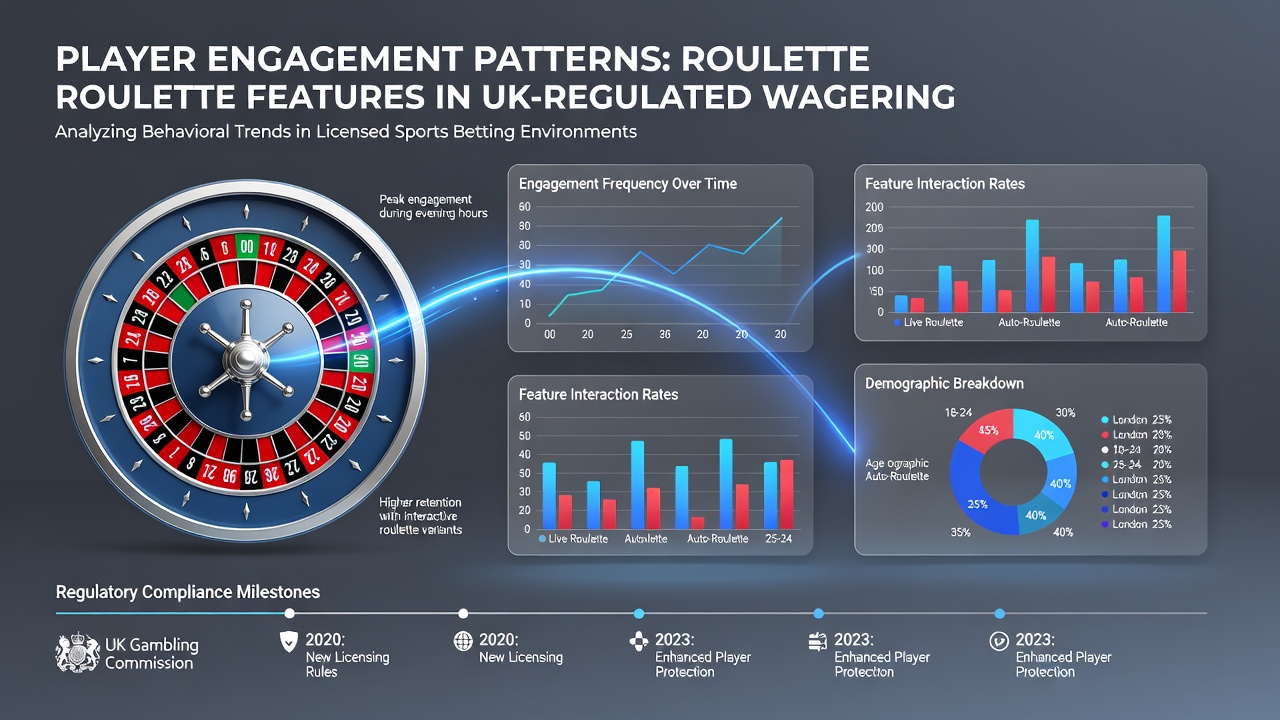
Player interactions with roulette elements inside UK-regulated sports wagering platforms follow distinct cycles that researchers track through session length, bet frequency, and feature selection data. These cycles emerge when operators embed roulette tables alongside live sports markets, and users shift between the two formats during the same login period. Data from multiple platform audits reveal that engagement peaks align with major football fixtures and tennis tournaments, while midweek activity settles into shorter, more fragmented sessions.
Integration of Roulette Within Broader Wagering Interfaces
Operators structure their mobile and desktop environments so that roulette appears as a secondary tab or quick-launch option next to in-play sports odds. This layout encourages users to sample roulette spins while waiting for match updates, and session logs show that approximately one in three active accounts alternates between the two verticals within a single hour. Industry reports compiled by the European Gaming and Betting Association document similar cross-feature navigation patterns across several European licensing regimes, although the UK data sets display higher mobile retention rates during evening hours.
Temporal and Event-Driven Engagement Trends
Engagement intensity rises sharply in the hours before kick-off for Premier League matches and again during half-time intervals, when users place quick roulette wagers before returning to live sports betting. September schedules, which include dense European club competition windows, produce measurable upticks in both average bet size and number of spins per session compared with summer months. Platform telemetry further indicates that users who begin with sports pre-match bets extend their time on roulette features by an average of seven minutes when a match enters injury time, suggesting a carry-over effect rather than isolated product use.
Device and Interface Variations
Desktop sessions tend to feature longer roulette sequences interrupted by sports market checks, whereas mobile users complete shorter roulette bursts between push notifications for live odds changes. Heat-map analysis from multiple operators shows that tablet users cluster their roulette activity around 8 pm to 11 pm on weekdays, while smartphone engagement spreads across lunch breaks and late-night windows. These device-specific rhythms remain consistent across demographic cohorts tracked in anonymised data sets.
Feature-Specific Selection Patterns
Within roulette offerings, European wheel variants attract higher repeat engagement than American layouts, and users frequently select auto-play or quick-bet options when switching rapidly between sports and casino tabs. Research published by the Australian Gambling Research Centre on cross-product usage notes parallel preferences in other regulated markets, where players favour lower house-edge tables during high-frequency switching. UK platform data additionally reveals that bonus-triggered free spins on roulette correlate with extended overall session duration, though the effect dissipates once the promotional balance reaches zero.
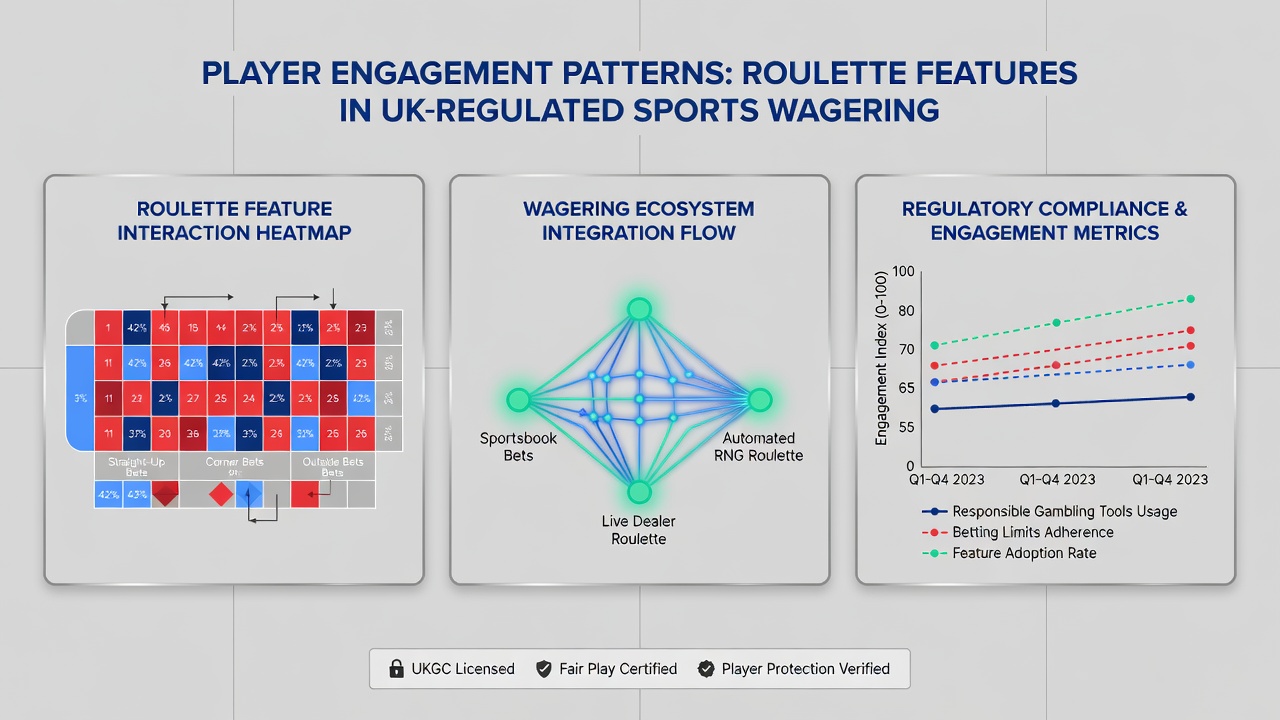
Observers tracking account-level behaviour note that loyalty programme tiers influence roulette participation rates, with higher-tier users maintaining steadier engagement across both sports and roulette products. Mid-tier accounts, by contrast, demonstrate more pronounced spikes tied to specific sporting calendars rather than consistent daily activity. These tier-based differences appear in longitudinal data covering multiple regulatory reporting periods.
Cross-Product Navigation Behaviours
Users rarely treat roulette as a standalone destination inside sports-focused apps; instead, navigation logs indicate repeated toggling between live match views and roulette tables within the same interface layer. This toggling pattern intensifies when sports events reach critical moments, such as penalty shoot-outs or final sets, and users fill brief waiting periods with spins. Aggregated figures reveal that accounts exhibiting this back-and-forth movement generate higher overall handle than single-product sessions, although individual outcomes remain governed by random number generators independent of sports results.
Conclusion
Patterns of engagement with roulette features inside UK-regulated sports wagering ecosystems reflect the structural integration of these products rather than isolated preferences. Session telemetry, device-level timing, and event-driven spikes together illustrate how users move between sports markets and roulette tables within single visits. Continued monitoring of these behaviours across reporting cycles provides operators and researchers with measurable indicators of cross-feature usage that remain consistent across seasonal calendars.