Integrated Reward Structures: Slot Progressions and Real-Time Betting Modifications in British Licensed Platforms
Written by Paul Meier · Oct 21, 2026
Integrated Reward Structures: Slot Progressions and Real-Time Betting Modifications in British Licensed Platforms
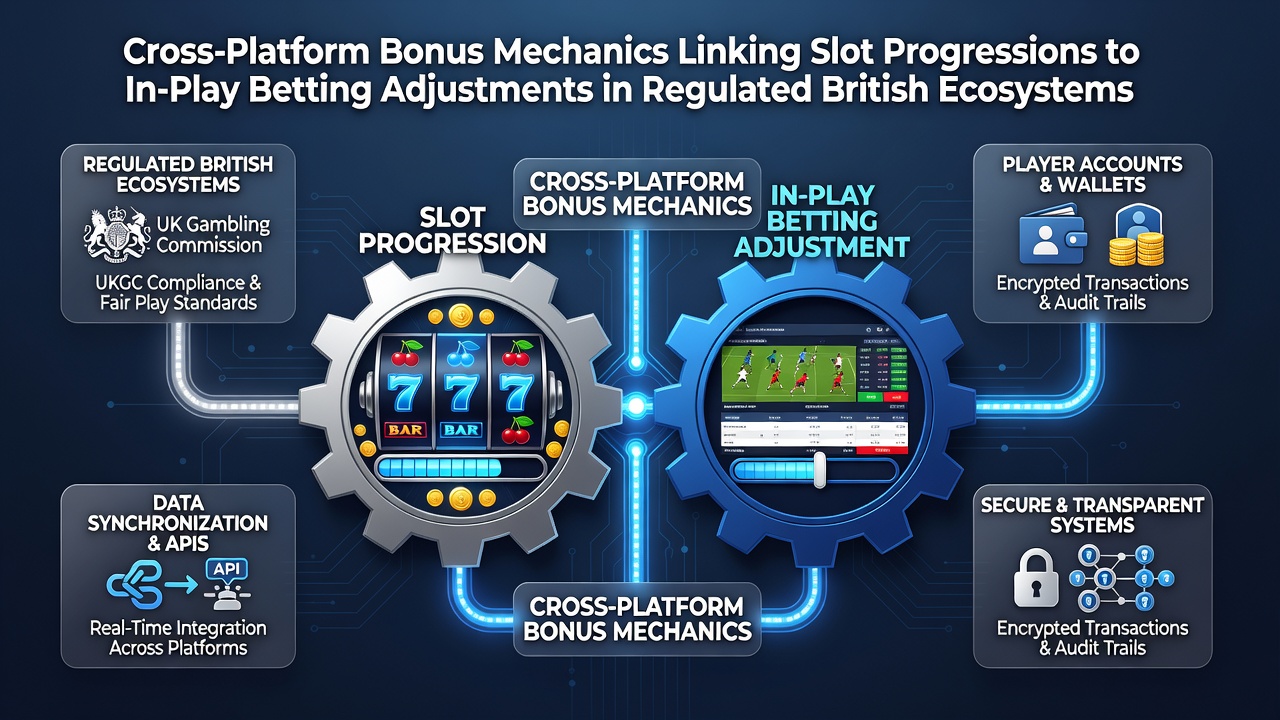
Operators in regulated British markets have developed systems that connect slot game progressions directly to in-play betting adjustments, creating unified bonus frameworks across platforms. These mechanics allow player activity in one vertical to influence rewards and odds modifications in another, all while maintaining compliance with licensing standards that emphasize transparency and player protection.
Core Components of Cross-Platform Bonus Systems
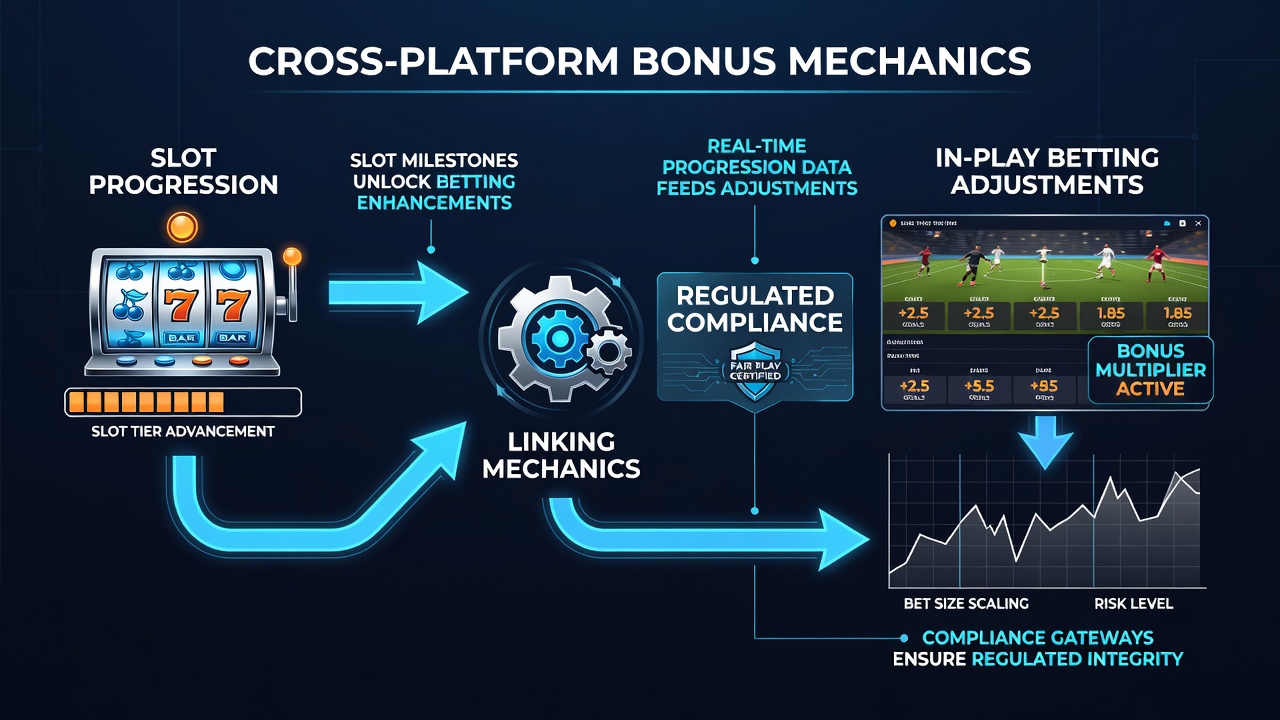
Slot progressions typically track metrics such as spin counts, win multipliers, and level advancements that accumulate over sessions, and licensed operators integrate these data points with live sports betting interfaces so that reaching certain thresholds can trigger adjusted stake limits or enhanced odds on in-play markets. Data from industry reports shows that such linkages rely on centralized player accounts where real-time synchronization occurs through secure APIs, ensuring that progress earned on slots translates into immediate modifications during football or tennis events.
Studies from the European Gaming and Betting Association indicate that these integrations have expanded since 2024, with operators reporting increased session continuity when bonuses span both categories. What's interesting is how algorithms calculate the value transfer, often converting slot-based loyalty points into betting credits that adjust dynamically based on current match conditions like goal differentials or set scores.
Technical Implementation in Licensed Environments
British platforms employ modular software architectures that separate game engines from betting engines yet share a common rewards database, allowing a player who advances through slot tiers to receive automatic adjustments such as reduced house edges on specific in-play bets or unlocked cash-out options. Observers note that this occurs without manual intervention, as backend systems monitor progression milestones and apply changes within seconds of confirmation.
Take one operator that introduced a tiered system in early 2025 where completing 500 spins on designated slots unlocks a 5 percent odds boost on live accumulator bets, a feature that has since appeared across multiple licensed sites. Research indicates these mechanics operate under strict audit trails that record every bonus activation and adjustment for regulatory review, with monthly compliance checks verifying that no unfair advantages arise from the cross-linking process.
Player Engagement Patterns and Data Trends
Figures reveal that engagement metrics rise when slot progressions influence in-play features, with average session lengths extending by 15 to 20 minutes according to aggregated operator statistics from 2025. People who participate in both verticals within the same account often discover that bonus multipliers from slots carry over to live events, creating incentives for sustained activity across the ecosystem.
Yet the reality is that these systems incorporate safeguards such as daily loss limits and cooling-off periods that apply uniformly regardless of how bonuses transfer between games. As of October 2026, several platforms have updated their interfaces to display progression bars that span slots and betting sections, providing clearer visibility into how one activity affects the other without requiring separate tracking.
Academic analyses from institutions like the University of Nevada's gaming research center have examined similar cross-vertical models in other jurisdictions, noting that British implementations emphasize randomized reward distribution to prevent predictable patterns that could encourage excessive play. And data from Canadian regulatory bodies shows parallel developments where unified loyalty programs link video slots to sports wagering adjustments, though the British versions incorporate additional layers of real-time market responsiveness.
Regulatory Context and Compliance Mechanisms
Licensed operators must demonstrate that cross-platform bonuses do not distort game fairness, which involves third-party testing of the algorithms that map slot progressions onto betting adjustments. Reports from the European Gaming and Betting Association highlight that such testing includes simulation of high-volume scenarios to confirm stability during peak events like major football tournaments.
What's significant is the requirement for clear disclosure within apps, where players receive notifications explaining exactly how a slot milestone will modify an upcoming in-play option. This approach aligns with broader industry standards that prioritize informed participation, and operators document every instance where progression data triggers a betting change to support ongoing audits.
Future Developments and Industry Shifts
Projections from market analysts suggest continued refinement of these mechanics through 2027, particularly in how mobile ecosystems handle latency when syncing progress across devices. One case study from a mid-sized British operator demonstrated that integrating machine learning models improved the accuracy of bonus valuations by 12 percent, allowing more precise adjustments during volatile in-play periods.
Turns out that collaboration between game developers and betting software providers has accelerated these capabilities, resulting in standardized protocols that multiple licensees now adopt. External links to research from the Responsible Gambling Council provide additional context on how such integrations are evaluated for their impact on player behavior across different regulatory landscapes.
Conclusion
Cross-platform bonus mechanics that link slot progressions to in-play betting adjustments represent a growing feature set in regulated British ecosystems, supported by technical infrastructure and compliance frameworks that prioritize data integrity. Operators continue to refine these systems as player data reveals consistent patterns of multi-vertical engagement, while external research from varied international sources informs ongoing improvements. The result is an evolving landscape where unified rewards enhance platform functionality without compromising established licensing requirements.