Examining Feature Integration Patterns Between Roulette Wheels and Football Betting Markets in Mobile Ecosystems
Written by Noah Bauer · Nov 4, 2026

Examining Feature Integration Patterns Between Roulette Wheels and Football Betting Markets in Mobile Ecosystems
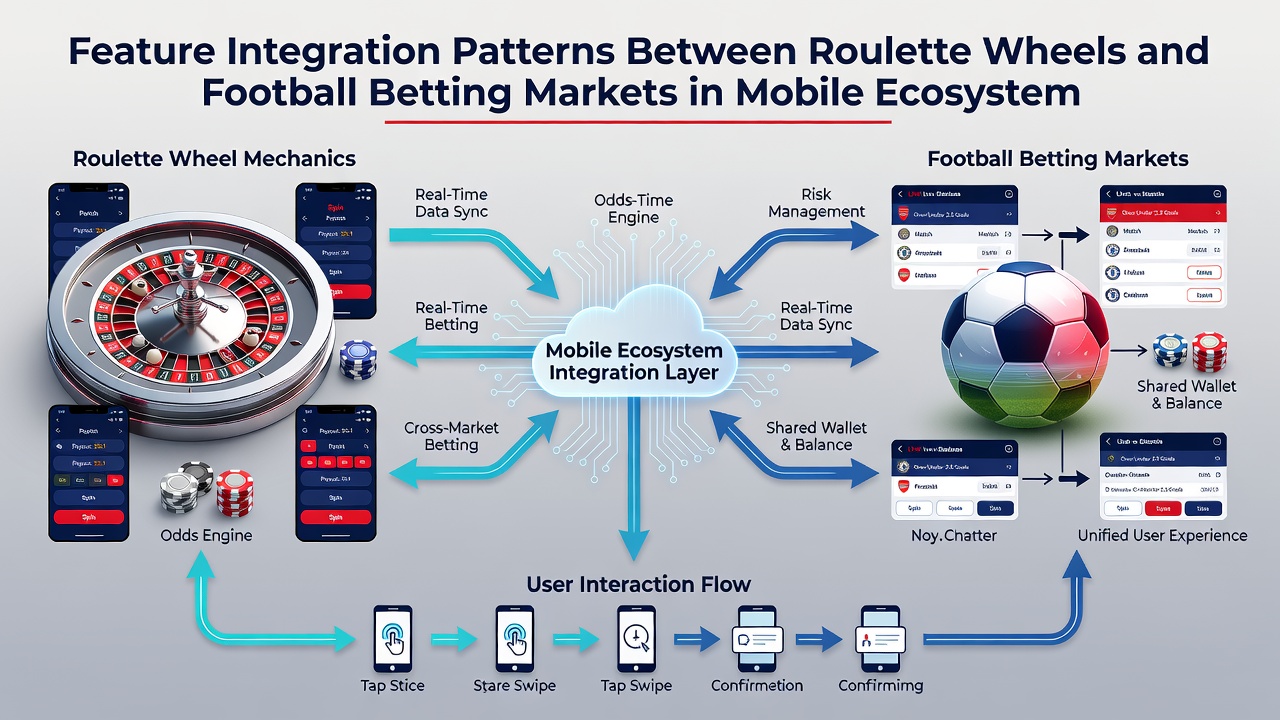
Feature integration patterns between roulette wheels and football betting markets have developed steadily within mobile ecosystems as operators seek to combine random number generator elements with real-time event data streams, and developers continue to refine cross-functional interfaces that support both activities simultaneously. Observers note that these patterns often involve shared user account systems, unified wallet mechanics, and synchronized notification protocols that allow players to switch between spinning a virtual wheel and placing wagers on match outcomes without leaving a single application environment.
Technical Foundations of Cross-Feature Integration
Mobile platforms achieve these connections through application programming interfaces that pull live football statistics alongside roulette outcome histories, while backend systems manage both data sets under consistent security protocols. Data indicates that such architectures reduce latency during transitions between game types, and researchers have documented cases where operators deploy modular code libraries to embed roulette spin animations directly within football market interfaces. Those who study these ecosystems report that integration frequently relies on cloud-based synchronization layers, which update odds feeds and wheel results at comparable intervals to maintain continuity for users across different device types.
User Engagement Trends Across Platforms
Studies have tracked how integrated features influence session lengths, and figures reveal that players often extend time spent on applications when roulette elements appear alongside football betting options in the same navigation flow. According to industry analyses from the European Gaming and Betting Association, combined interfaces can increase repeat visits because users encounter familiar mechanics from one activity when exploring the other. What's interesting is the way visual cues from roulette wheels, such as color-coded segments, sometimes mirror team jersey hues or pitch markings in football sections, creating subtle visual bridges that developers implement to guide attention without disrupting flow.
Regional Variations in Implementation
Implementation differs by jurisdiction, whereas North American operators emphasize real-time data overlays from major leagues, and Australian frameworks focus on responsible gaming prompts that appear uniformly across both roulette and football modules. In November 2026, several platforms introduced updated compliance modules that align with new provincial standards in Canada, where regulators require transparent separation between chance-based wheel outcomes and skill-influenced football selections within the same mobile session. People who've examined these changes find that the patterns maintain distinct risk disclosures while permitting seamless account-level transfers between the two categories.
Data Patterns and Platform Analytics
Analytics tools capture how often users initiate a roulette spin immediately after settling a football wager, and reports show clustered activity spikes during live match periods when both features remain accessible on the same screen. Research from university-affiliated gaming laboratories has quantified these sequences, demonstrating that integration patterns reduce the number of taps required to move between markets, which in turn correlates with higher overall interaction rates. The reality is that operators track these metrics to adjust interface layouts, ensuring that wheel results and match statistics load through parallel data channels rather than sequential ones.
Future Directions for Mobile Integration
Looking ahead, patterns may incorporate augmented overlays that project roulette probabilities onto football pitch diagrams, while maintaining regulatory separation between random and predictive elements. External audits continue to verify that these integrations preserve independent randomness generators for wheels and verified data feeds for sports, and observers note increasing adoption of standardized testing protocols across multiple continents to support consistent performance. But here's the thing: mobile ecosystems that master these connections can streamline user journeys without merging the underlying mechanics of each activity.
Conclusion
Feature integration between roulette wheels and football betting markets in mobile ecosystems rests on layered technical connections, regional compliance adjustments, and measurable engagement data that operators refine over successive updates. These patterns continue to evolve through shared infrastructure and interface refinements, while regulatory frameworks from diverse regions ensure distinct operational boundaries remain intact. As platforms advance synchronization methods, the documented approaches provide clear examples of how distinct betting categories coexist within unified mobile environments.